Comprehensive Guide: Acquiring a House in Ghana - Key Advice and Insights for Homebuyers
Purchasing a home in Ghana demands thorough planning and understanding of the local market. Property purchasers must consider multiple factors, including budget, property searches, and legal requirements. Working with real estate professionals can streamline the procedure. However, many miss crucial aspects of due diligence that could affect their investment. Understanding these subtleties can make all the difference in a successful purchase. What essential steps should every buyer be aware of?
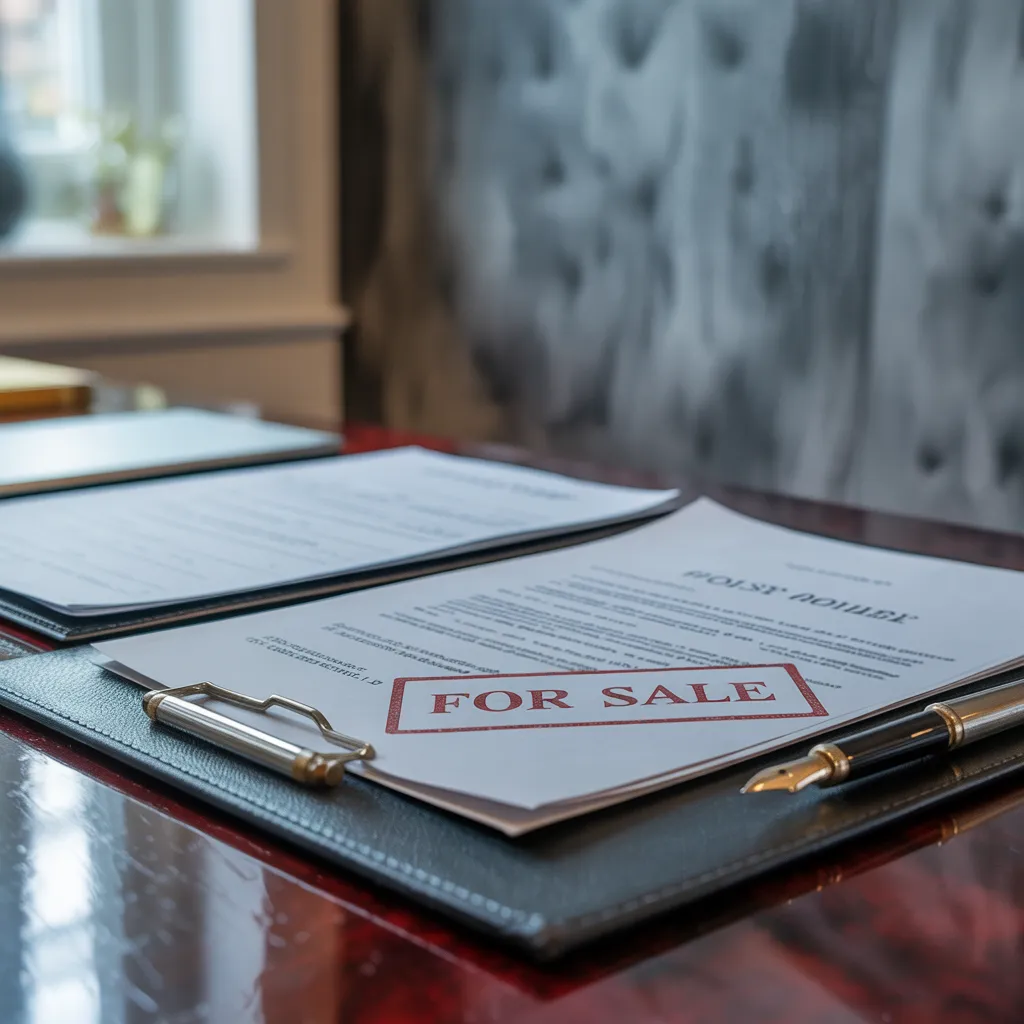
Comprehending the Ghanaian Real Estate Market
Ghana's property market demonstrates a vibrant landscape influenced by diverse economic and social elements. Swift urban development and demographic expansion have significantly heightened housing demand, particularly in major cities like Accra and Kumasi. Furthermore, an expanding middle class has driven a change in buyer preferences toward contemporary facilities and secured residential complexes. The sector is distinguished by a blend of conventional and modern residential choices, catering to diverse buyer needs.
Overseas investment has similarly performed an essential function, with expats searching for homes in sought-after neighborhoods. Nevertheless, prospective purchasers need to address obstacles including varying real estate costs and varying levels of infrastructure development. Legal structures may be intricate, frequently demanding due diligence to ensure compliance. All in all, grasping the subtleties of the Ghanaian real estate landscape is critical for prospective homeowners, furnishing them with the information to make informed decisions in this dynamic marketplace.
Setting Your Budget and Financing Options
Navigating the Ghanaian real estate market demands a thorough understanding of budget limitations and financing options. Prospective buyers must first evaluate their financial situation, factoring in income, savings, and any existing debts. Creating a realistic budget is crucial, as it will guide the price range for potential properties.
Funding options in Ghana include standard bank financing, which typically require a down payment of 10-30%. Moreover, some buyers may consider microfinance institutions or cooperative societies that offer more adaptable terms.
It's important to understand the interest rates and requirements linked to these loans, as they can greatly influence the complete cost of purchasing a home. Home purchasers should also examine government property initiatives or projects that might deliver assistance. In the end, a clearly defined budget and educated financing selections can facilitate a successful real estate purchase in Ghana.
Hunting for Your Dream Property
As future property owners examine the procedure of looking for their dream home in Ghana, they should assess different aspects that correspond with their necessities and choices. Initially, location fulfills an essential purpose; it impacts routine transportation, availability of services, and total way of living. Urban areas may offer convenience, while rural settings can provide tranquility.
Next, future homeowners should consider property types, including individual family dwellings, apartments, or tracts for future development. Each option has unique perks and limitations that serve different lifestyles and budgets.
Additionally, prospective homeowners should study market trends in their desired areas, as property values can shift. Hiring local real estate agents can provide expertise and streamline the search process. Finally, it is crucial to establish a list of must-haves, such as the number of bedrooms or outdoor space, to successfully narrow down options and find a property that truly satisfies their expectations.
Legal Matters and Due Diligence Requirements
Managing the legal landscape is essential for anyone considering purchasing a property in Ghana. Homebuyers must first confirm that the property has a clear title, free from disputes or encumbrances. Engaging a qualified lawyer knowledgeable in Ghanaian property law is advisable to perform due diligence, which includes confirming ownership and examining any existing liabilities.
Purchasers must also verify for mandatory permits and observance of local regulations, including zoning laws. This process could require obtaining a land title certificate from the Lands Commission, which acts as proof of ownership.
Furthermore, buyers need to watch out for dishonest activities. Undertaking a thorough background check on the seller can reduce risks. Comprehending the terms of any sale agreement is crucial, as it outlines rights and obligations for both parties. In summary, careful legal scrutiny helps ensure a trouble-free transaction and shields the buyer's investment over time.
Completing the Sale and Relocating
When legal matters are addressed, the next step entails finalizing the purchase and preparing for timely resource the move. Buyers should verify that all financial obligations, such as the down payment and closing costs, are resolved with the seller. It is important to obtain a copy of the signed sales agreement and to confirm that the title deed is transferred properly into the purchaser's name.
Moreover, buyers should plan a final walkthrough of the property to confirm that it is in the mutually agreed-upon condition. Once everything is in order, homeowners can start planning their move. This includes hiring a reputable moving company, organizing utilities to be connected, and alerting relevant parties about the new address.
Finally, creating a timeline for moving in can help ensure a smooth transfer into the new home, making sure that all needed preparations are accomplished effectively.
Frequently Asked Questions
Which Property Types Are Available in Ghana?
Within Ghana, typical property types include standalone residences, apartments, townhouses, and commercial properties. Moreover, luxury estates and development plots for development are increasingly popular among both local and foreign buyers looking for investment opportunities.
How Long Does It Typically Take to Buy a House?
The house purchasing journey in Ghana usually takes between two to six months. This period varies based on factors such as property type, financing arrangements, and the speed of legal and bureaucratic procedures involved.
Do Homeowners in Ghana Pay Property Taxes?
Property taxes apply to homeowners in Ghana. The rates for these taxes depend on both the location and value of the property. Homeowners must understand their tax obligations and plan their budget for these costs.
Are Foreigners Able to Purchase Property in Ghana?
International buyers can acquire property in Ghana, commonly using a leasehold structure for up to 99 years. Nonetheless, they are required to follow certain regulations and could necessitate governmental authorization for certain types of transactions.
What Are the Typical Maintenance Costs for Homes in Ghana?
Standard maintenance expenditures for homes in Ghana vary, commonly ranging from 1% to 3% of the property's value per year. Expenditures include repairs, utilities, landscaping, and periodic renovations, affecting overall homeownership budgets substantially.